*The opinions expressed within the content are solely the author’s and do not reflect the website’s or its affiliates’ opinions and beliefs.
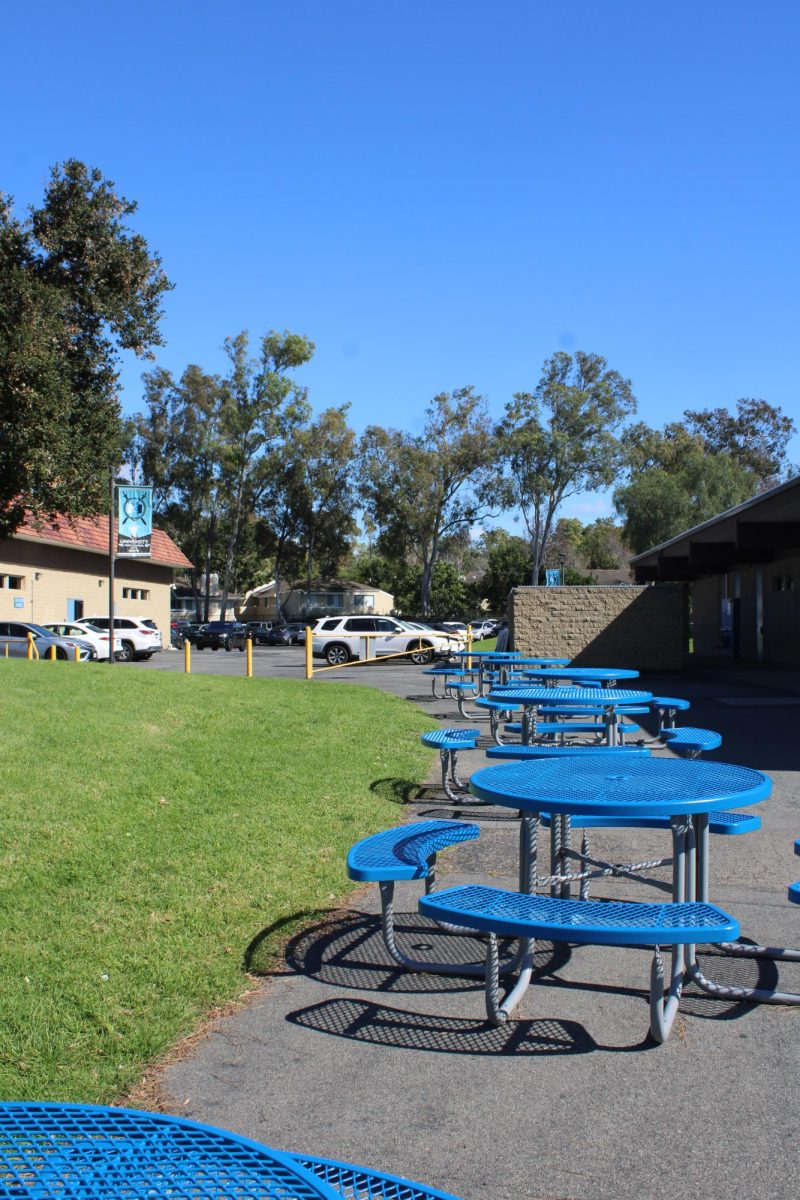
As the school day drags on, students continue to look forward to lunchtime as an opportunity to relax and socialize with peers. However, while an average grade school student spends seven hours at school per day, only 30 minutes is dedicated to lunch. As a result, students dread the end of their break rather than enjoying it. A longer lunch period provides an immediate solution to such issues, allowing students to relax and reset in a stress-free environment.
In high school, lunch has become an essential part of school culture, during which numerous clubs host meetings for students to attend. These clubs serve as an outlet for students to gain a diverse perspective, explore their interests, build deeply valuable connections with peers who share those interests and develop a sense of belonging. In addition, school-sanctioned events help to foster a sense of school spirit, creating a sociable yet competitive environment among the entire student body. Such priceless moments are just as integral to school as academic classes, encouraging a sense of leadership and community among the student body. It is crucial to allow such opportunities to thrive during lunchtime by providing ample time for students to eat before exploring the school’s culture.
Furthermore, it is essential that lunchtime provides students with enough time to enjoy their food and refuel. The CDC reports that healthy students need at least 20 minutes of sitting each day to digest their food. Much of a student’s total lunchtime is spent waiting in the lunch line, using the restroom or walking to a destination, leaving little time to eat. Students who wish to go off campus rarely have time to do so, making it difficult to return promptly. Even students who remain at school during lunch period are rushed. More than 60% of educators have observed that students need more than half an hour to fully enjoy a meal, according to CDC guidelines. Nevertheless, they report that 21% of their students receive only half that time. This often results in skipping meals that are vital to students’ health, nourishment and energy levels for the remainder of the day. Therefore, an extended lunch period is called for, providing students the necessary opportunity to properly sustain their bodies.
Those opposed to a longer lunch period may argue that more time spent outside is more time taken away from a student’s academics. Studies have, in fact, affirmed that the longer students spend engaged in on-task instructional time, the higher their academic performance tends to be. However, this assumes an unrealistic fantasy in which the entire class of children is focused and on task. In reality, when the human brain is not given breaks and proper nourishment, it struggles to remain productive and attentive. On the contrary, longer lunch periods have been shown to rejuvenate students’ minds, allowing them to arrive at class prepared and efficient, two of the most important factors in determining academic performance.
Lunchtime has become far more than a time for students to talk and eat. In schools across the nation, an extended lunch period has provided an opportunity for invaluable interactions and experiences, offering a welcome break for students who need a mental refresher, while ensuring adequate nourishment for the brain and body.